Fetal Alcohol Syndrome
What a teacher needs to know
What a teacher needs to know
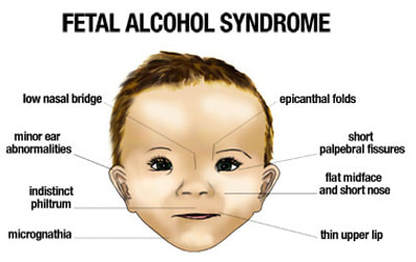
Overview and Symptoms
Behavioral Interventions

Other Behavioral Supports
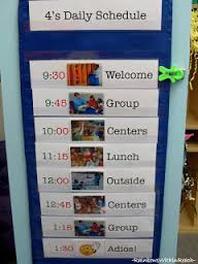
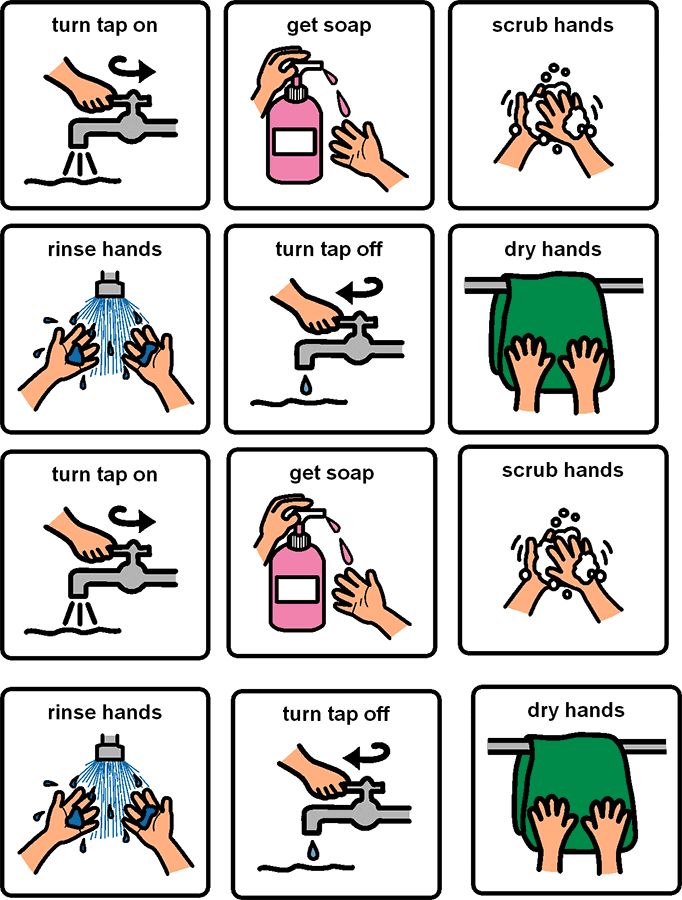
Daily Routines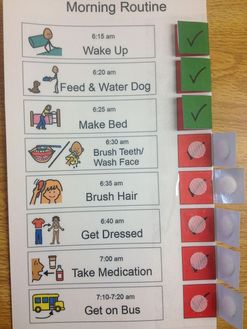
|
|
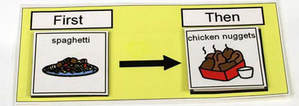
Social Stories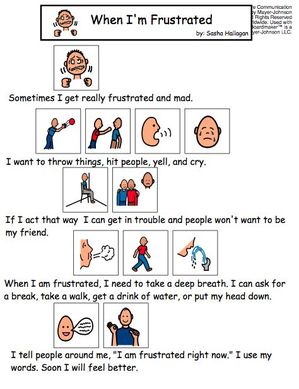
|
To learn more read:
Bertrand, J. (2008). Interventions for children with fetal alcohol spectrum disorders (FASDs): Overview of findings for five innovative research projects. Research in Developmental Disabilities,30(5), 986-1006. doi:10.1016/j.ridd.2009.02.003 
Paley, B., & Oconnor, M. J. (2011). Predictors of Stress in Parents of Children with Fetal Alcohol Spectrum Disorders. Alcohol Research & Health, 34(1), 64-75. doi:10.1097/00004703-200610000-00005
| ||||
Academic Interventions
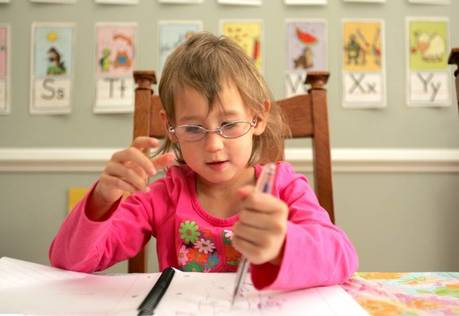
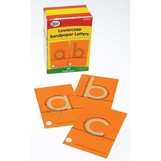
Literacy Interventions
|

|
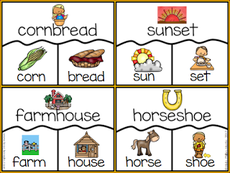
|
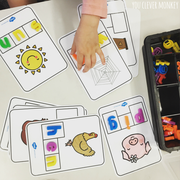
|
Math, Executive Functioning, and Working Memory Interventions
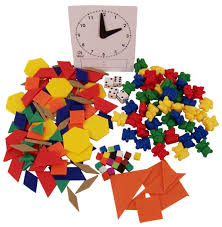
|
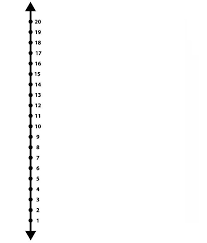
|

|
More information on the MILE Program:
Kable, J. A., Taddeo, E., Strickland, D., & Coles, C. D. (2015). Community translation of the Math Interactive Learning Experience Program for children with FASD. Research in Developmental Disabilities,39, 1-11. doi:10.1016/j.ridd.2014.12.031
Kable, J. A., Taddeo, E., Strickland, D., & Coles, C. D. (2015). Community translation of the Math Interactive Learning Experience Program for children with FASD. Research in Developmental Disabilities,39, 1-11. doi:10.1016/j.ridd.2014.12.031
| Kable, J. A., Taddeo, E., Strickland, D., & Coles, C. D. |
Kerns, K. A., Macsween, J., Wekken, S. V., & Gruppuso, V. (2010). Investigating the efficacy of an attention training programme in children with foetal alcohol spectrum disorder. Developmental Neurorehabilitation,13(6), 413-422. doi:10.3109/17518423.2010.511421
| , K. A., Macsween, J., Wekken, S. V., & Gruppuso, V. |
Literature Cited
P. (2015, March 10). Retrieved August 01, 2017, from https://www.youtube.com/watch?v=2ZWjCch6JSM
(2016, April 30). Retrieved August 01, 2017, from https://www.youtube.com/watch?v=AjTKgFsrNC0
Adnams, C. M., Sorour, P., Kalberg, W. O., Kodituwakku, P., Perold, M. D., Kotze, A., . . . May, P. A. (2007). Language and literacy outcomes from a pilot intervention study for children with fetal alcohol spectrum disorders in South Africa. Alcohol, 41(6), 403-414. doi:10.1016/j.alcohol.2007.07.005
Bertrand, J. (2008). Interventions for children with fetal alcohol spectrum disorders (FASDs): Overview of findings for five innovative research projects. Research in Developmental Disabilities,30(5), 986-1006. doi:10.1016/j.ridd.2009.02.003
Diseases and Conditions Identified in Children and Youth with Special Health Needs (CYSHN). (n.d.). Retrieved August 01, 2017, from http://www.health.state.mn.us/divs/cfh/topic/diseasesconds/fetalalcohol.cfm
M. (n.d.). Fetal Alcohol Spectrum Disorder: Strategies and Intervention (Part 2). Retrieved August 01, 2017, from https://www.mnadopt.org/wp-content/uploads/2014/03/FASD-Strategies-and-Intervention.pdf
Fetal Alcohol Spectrum Disorders: Research Challenges and Opportunities. (n.d.). Retrieved August 01, 2017, from https://pubs.niaaa.nih.gov/publications/arh341/4-14.htm
Fetal alcohol syndrome. (2017, May 25). Retrieved August 01, 2017, from http://www.mayoclinic.org/diseases-conditions/fetal-alcohol-syndrome/symptoms-causes/dxc-20318276
Fetal Alcohol Syndrome and Educational Strategies. (n.d.). Retrieved August 01, 2017, from http://www.psychiatry.emory.edu/PROGRAMS/GADrug/Edfas.htm
Intervention for children with fetal alcohol spectrum disorders has biggest impact on parents. (2017, April 27). Retrieved August 01, 2017, from http://www.rochester.edu/newscenter/intervention-for-children-with-fetal-alcohol-spectrum-disorder-has-biggest-impact-on-parents-228702/
Kable, J. A., Taddeo, E., Strickland, D., & Coles, C. D. (2015). Community translation of the Math Interactive Learning Experience Program for children with FASD. Research in Developmental Disabilities, 39, 1-11. doi:10.1016/j.ridd.2014.12.031
Kerns, K. A., Macsween, J., Wekken, S. V., & Gruppuso, V. (2010). Investigating the efficacy of an attention training programme in children with foetal alcohol spectrum disorder. Developmental Neurorehabilitation,13(6), 413-422. doi:10.3109/17518423.2010.511421
Merrick, J. (june, 2006). Fetal alcohol syndrome and its long-term effects. PubMed.gov, 58(3), 211-218. Retrieved August 01, 2017, from https://www.ncbi.nlm.nih.gov/pubmed/16832326
Paley, B., & Oconnor, M. J. (2011). Predictors of Stress in Parents of Children with Fetal Alcohol Spectrum Disorders. Alcohol Research & Health, 34(1), 64-75. doi:10.1097/00004703-200610000-00005
C. (2012, August 29). Students Like Me: Episode 1 of 9. Retrieved August 01, 2017, from https://www.youtube.com/watch?v=WfbztgLafPY
Warren, K. R., Hewitt, B. G., & Thomas, J. D. (n.d.). Fetal Alcohol Spectrum Disorders: Research Challenges and Opportunities. Alcohol Research & Health, 34(1). Retrieved August 01, 2017, from https://pubs.niaaa.nih.gov/publications/arh341/4-14.htm.
Welcome to Double ARC. (n.d.). Retrieved August 01, 2017, from http://www.doublearc.org/
(2016, April 30). Retrieved August 01, 2017, from https://www.youtube.com/watch?v=AjTKgFsrNC0
Adnams, C. M., Sorour, P., Kalberg, W. O., Kodituwakku, P., Perold, M. D., Kotze, A., . . . May, P. A. (2007). Language and literacy outcomes from a pilot intervention study for children with fetal alcohol spectrum disorders in South Africa. Alcohol, 41(6), 403-414. doi:10.1016/j.alcohol.2007.07.005
Bertrand, J. (2008). Interventions for children with fetal alcohol spectrum disorders (FASDs): Overview of findings for five innovative research projects. Research in Developmental Disabilities,30(5), 986-1006. doi:10.1016/j.ridd.2009.02.003
Diseases and Conditions Identified in Children and Youth with Special Health Needs (CYSHN). (n.d.). Retrieved August 01, 2017, from http://www.health.state.mn.us/divs/cfh/topic/diseasesconds/fetalalcohol.cfm
M. (n.d.). Fetal Alcohol Spectrum Disorder: Strategies and Intervention (Part 2). Retrieved August 01, 2017, from https://www.mnadopt.org/wp-content/uploads/2014/03/FASD-Strategies-and-Intervention.pdf
Fetal Alcohol Spectrum Disorders: Research Challenges and Opportunities. (n.d.). Retrieved August 01, 2017, from https://pubs.niaaa.nih.gov/publications/arh341/4-14.htm
Fetal alcohol syndrome. (2017, May 25). Retrieved August 01, 2017, from http://www.mayoclinic.org/diseases-conditions/fetal-alcohol-syndrome/symptoms-causes/dxc-20318276
Fetal Alcohol Syndrome and Educational Strategies. (n.d.). Retrieved August 01, 2017, from http://www.psychiatry.emory.edu/PROGRAMS/GADrug/Edfas.htm
Intervention for children with fetal alcohol spectrum disorders has biggest impact on parents. (2017, April 27). Retrieved August 01, 2017, from http://www.rochester.edu/newscenter/intervention-for-children-with-fetal-alcohol-spectrum-disorder-has-biggest-impact-on-parents-228702/
Kable, J. A., Taddeo, E., Strickland, D., & Coles, C. D. (2015). Community translation of the Math Interactive Learning Experience Program for children with FASD. Research in Developmental Disabilities, 39, 1-11. doi:10.1016/j.ridd.2014.12.031
Kerns, K. A., Macsween, J., Wekken, S. V., & Gruppuso, V. (2010). Investigating the efficacy of an attention training programme in children with foetal alcohol spectrum disorder. Developmental Neurorehabilitation,13(6), 413-422. doi:10.3109/17518423.2010.511421
Merrick, J. (june, 2006). Fetal alcohol syndrome and its long-term effects. PubMed.gov, 58(3), 211-218. Retrieved August 01, 2017, from https://www.ncbi.nlm.nih.gov/pubmed/16832326
Paley, B., & Oconnor, M. J. (2011). Predictors of Stress in Parents of Children with Fetal Alcohol Spectrum Disorders. Alcohol Research & Health, 34(1), 64-75. doi:10.1097/00004703-200610000-00005
C. (2012, August 29). Students Like Me: Episode 1 of 9. Retrieved August 01, 2017, from https://www.youtube.com/watch?v=WfbztgLafPY
Warren, K. R., Hewitt, B. G., & Thomas, J. D. (n.d.). Fetal Alcohol Spectrum Disorders: Research Challenges and Opportunities. Alcohol Research & Health, 34(1). Retrieved August 01, 2017, from https://pubs.niaaa.nih.gov/publications/arh341/4-14.htm.
Welcome to Double ARC. (n.d.). Retrieved August 01, 2017, from http://www.doublearc.org/