Impact of Special Needs
  • BLOG 2017
  • IMPACT
    • History of Special Education Christina Pressley
    • INQUIRY >
      • RESEARCH AVENUES >
        • Marshall Memo
    • SYLLABUS >
      • Norms
      • Council for Exceptional Children
      • Flight Practice
      • Ladder of Feedback
      • Marshmallow Challenge
      • MeMoves!
      • National Teaching Norms
      • Scavenger Hunt
      • Unthinkables
  • FOUNDATIONS
    • Common Core >
      • Mathematics >
        • Math Graphic Organizers
        • Math: Subitizing and Ten Frames
        • Math Inclusion Resources and Strategies
      • Literacy >
        • Alphabet Awareness
        • Classroom Labels
        • Close Reading Strategies
        • The Daily Five
        • Dialogic and Guided Reading
        • Phonics Instruction
        • Phonological Awareness
        • Story Grammar Markers
        • Writing
      • TECHNOLOGY RESOURCES FOR LEARNING >
        • ACCESSIBLE INSTRUCTIONAL MATERIALS
        • Assistive Technology >
          • Assistive Technology Andrew
        • The Flipped Classroom in SPED
        • Science >
          • STEM
        • WEBSITES FOR LEARNING >
          • Web 2.0
          • cool tools
    • IEP >
      • Assessment
      • Terminology
      • Accommodations >
        • Assistive Technology >
          • Technology
          • AIM
        • MCAS Accommodations
      • Documents
      • Goals and Objectives
      • Transition Services >
        • Early Childhood Transition
      • Early Intervention
      • 504 Plans
    • INCLUSION >
      • Child Study Teams >
        • CST Report (Action Plans)
      • DCAP
      • RTI >
        • RTI in SLD Determination Lauren A
        • MA Tiered System of Supports
      • Observations
      • PALS: PEER ASSISTED LEARNING STRATEGIES
      • Para Educator
    • DISABILITY AWARENESS >
      • IRIS Resources STAR Legacy Modules
    • EDUCATIONAL STANDARDS >
      • 21st Century Skills
      • Common Core
      • IDEA >
        • Dear Colleague
        • ADA Americans with Disability Act
      • Special Education History >
        • Timelines in Special Education
    • FAMILY >
      • DIVERSITY
      • ADA and ADULTHOOD
      • Stigma in Special Needs in Latino Family Emily Burdick
  • TOPICS
    • Transgender Youth
  • LEARNING THEORIES
    • LEARNING THEORIES A-G >
      • ABA Jenna
      • All Kinds of Minds
      • Bloom's Taxonomy
      • Behaviorism
      • Bronfenbrenner’s Theory
      • Child Development
      • Cognitivism
      • Constructivism
      • GRIT
      • Growth Mindset
    • LEARNING THEORIES H-Z >
      • Kinesthetic Learning Eilish Reynolds
      • Learning Styles
      • Meaning Making
      • Motivation
      • Neuroscience
      • Building Relationships Katherine Bonilla
      • Social Learning Theory
      • Teaching for Understanding
      • Thinking Maps
      • UDL >
        • Assistive Technolog Jacqueline
        • UDL and the Common Core
        • UDL-Jenny/Lauren
      • Visible Thinking
  • DISABILITIES
    • AUTISM (ASD) >
      • Autism >
        • Autism Family Info Lindsey Blackman
        • Pink on the Spectrum Sara Cane
        • Autism Troy Sargent >
          • Autism and ABA Haley Award
          • Autism Janine Steinhauser
          • Autism James McDonough
        • Autism Rebecca Siegel
        • Autism and Language
        • Autism Kat
        • Autism and Adulthood
        • Autism in an Inclusive Classroom Kathryn N
        • Autism Dana Moody
        • Autism Non-Verbal Justin
      • ASD Resources
      • Autism-Nicky >
        • ABA in Autism Intervention Lauren C
      • Asperger's Syndrome Leeanne
    • COMMUNICATION >
      • Apraxia Victoria >
        • Apraxia Gabrielle D'Avolio
      • Communication Resources >
        • Expressive Language-Chelsey
      • Select Mutism
    • DEVELOPMENTAL DELAY >
      • Fine and Gross Motor Devel.-Denise >
        • Motor Articles
    • EMOTIONAL (BEHAVIOR) >
      • Bipolar Disorder Cailey >
        • Bipolar Disorder Caitlin Worthen
      • Behavior Resources
      • Mental Health Needs in College Peter Rakes
      • Relational Aggression Meghan Lederhos
      • Emotional Apps Katherine Bonilla
      • Trauma Supportive Practice Samantha Sinotte
    • HEALTH >
      • Cancer
      • ADHD and ADD >
        • ADHD Isabella Delmoral
        • ADHD Julia
        • ADHD Olivia Pizzi
        • ADD/ADHD >
          • ADHD Jenny/Lauren
          • ADHD Sarah Morgenthaler
      • Health Resources
    • INTELLECTUAL >
      • Acquired Brain Injury >
        • Intellectual Resources
      • Down Syndrome
      • Down Syndrome Jennifer Whitman
      • Prader-Willi Syndrome Samantha Curtis
    • NEUROLOGICAL >
      • Brain Development-Kate
      • Memory-Sarita
      • EXECUTIVE FUNTIONING >
        • Executive Functioning Disorder Laura Brady
      • Rett Syndrom Brycelyn
      • SENSORY PROCESSING DYSREGULATION >
        • SI Resources >
          • Sensory Integration-Steph >
            • SI Reference Articles
      • Fetal Alcohol Syndrome-Mary >
        • Fetal Alcohol Syndrome Elizabeth Watts
    • PHYSICAL >
      • Hearing Disability Rachel Jones
      • Physical Resources
      • Student Integration After Hospitalization Kathryn R
    • SENSORY >
      • HEARING >
        • Hearing Loss Yan Li Xu
        • Hearing Impairment Brianne Syring
        • Hearing Resources
        • Deaf and Hard of Hearing Brianna Normile
      • Sensory Processing Disorder Mikaela Newell
      • VISION >
        • Vision Resources
    • SPECIFIC LEARNING >
      • SLD Elizabeth Mossop
      • NVLD Nicole Snyder
      • LD Resources >
        • Dyscalculia Lily Chase-Lubitz
        • Dysgraphia Erin Bruce
        • Reading >
          • Dyslexia-Anthony >
            • Dyslexia Lily Montagna
            • Dyslexia Victoria Small
            • Dyslexia 2 Tiffany
            • Dyslexia Meghan
            • Dyslexia Colleen Talbot
          • Early Literacy Resources
          • LD and IDEA Issue
          • Reading by the Rules
        • Content
        • Math
        • Writing
        • Technology >
          • Reading Comprehension Strategies Meredith Chen
        • Teaching
    • TWICE EXCEPTIONAL >
      • Twice Exceptional Articles
      • Twice Exceptional Students Kelcy West
      • Twice Exceptional-Melissa
  • BEHAVIOR
    • CLASSROOM MANAGEMENT >
      • A-J >
        • 21st Century Learning
        • Behavior Modification >
          • Behavior Management Jon Weinberger
        • Bloom's Taxonomy
        • Circle of Friends
        • Collaborative Problem Solving
        • Culturally Responsive Pedagogy
        • The Daily Five
        • Differentiated Instruction
      • K-Z >
        • Kids and War
        • MeMoves!
        • Responsive Classroom
        • Socia Skills Curriculums Jessica Fox
        • Social & Emotional Learning Carol Yourman
        • Social Thinking
        • Strategies for Aggression-Jim
        • Universal Design for Learning
    • PREVENTING BULLYING >
      • Good Play Project
  • PROJECTS 2018
    • INQUIRY >
      • A-K
      • L-Z

 Bipolar Disorder for Teachers
By: Caitlin Worthen
Picture

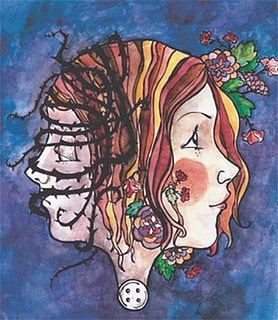
​What is Bipolar Disorder?

"Bipolar disorders are brain disorders that cause changes in a person’s mood, energy and ability to function. Bipolar disorder is a category that includes three different conditions — bipolar I, bipolar II and cyclothymic disorder. People with bipolar disorders have extreme and intense emotional states that occur at distinct times, called mood episodes. These mood episodes are categorized as manic, hypomanic or depressive. People with bipolar disorders generally have periods of normal mood as well" (DSM 5). 
"Bipolar disorders can be treated, and people with these illnesses can lead full and productive lives" (DSM 5).
      

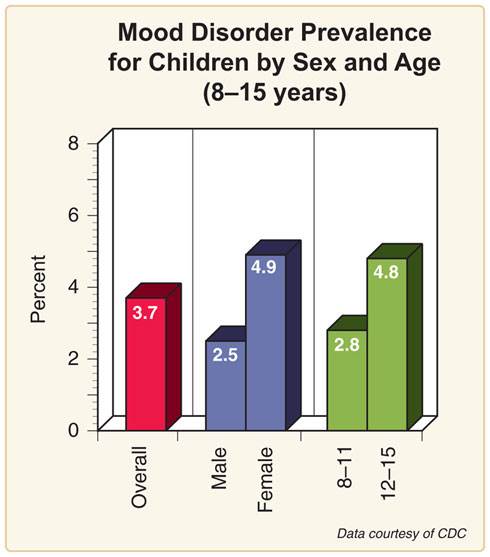
​Who is mostly Affected by Bipolar Disorder?
Picture

​Symptoms of Bipolar Disorder
     People with Bipolar Disorder experience periods of unusually intense emotion, changes in sleep patterns and activity levels, and unusual behaviors that are typical for the person. Extreme changes in sleep, energy and activities go along with mood changes.

What Educators Should Be on the Lookout For
These were all symptoms educators should pay attention to, according to mentalhealth.gov. You should consult the parent or guardian, nurse, counselor, and administrator, if you are observing these.

"Feeling very sad or withdrawn for more than two weeks
Seriously trying to harm oneself, or making plans to do so
Sudden overwhelming fear for no reason, sometimes with a racing heart or fast breathing
Involvement in many fights or desire to badly hurt others
Severe out-of-control behavior that can hurt oneself or others
Not eating, throwing up, or using laxatives to make oneself lose weight
Intense worries or fears that get in the way of daily activities
Extreme difficulty concentrating or staying still that puts the student in physical danger or causes problems in the classroom
Repeated use of drugs or alcohol
Severe mood swings that cause problems in relationships
Drastic changes in the student’s behavior or personality"
​


​Manic Episodes
Exaggerated self-esteem or grandiosity
Less need for sleep
Talking more than usual
talking loudly and quickly
Easily distracted
Doing many activities at once, scheduling more events in a day than can be accomplished
Increased risky behavior (e.g., reckless driving, spending sprees)
Uncontrollable racing thoughts or quickly changing ideas or topics

​
Depressive Episodes 
Intense sadness or despair; feeling helpless
hopeless or worthless
Loss of interest in activities once enjoyed
Feeling worthless or guilty
Sleep problems — sleeping too little or too much
Feeling restless or agitated (e.g., pacing or hand-wringing), or slowed speech or movements
Changes in appetite (increase or decrease)
Loss of energy, fatigue
Difficulty concentrating, remembering making decisions
Frequent thoughts of death or suicide

Classroom Accommodations 
"Under Section 504, the child with a disability may receive accommodations and modifications that are not available to children who are disabled."  (http://ibpf.org/article/accommodations-students-bipolar-disorder-and-related-disabilities).

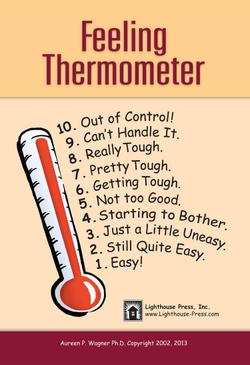
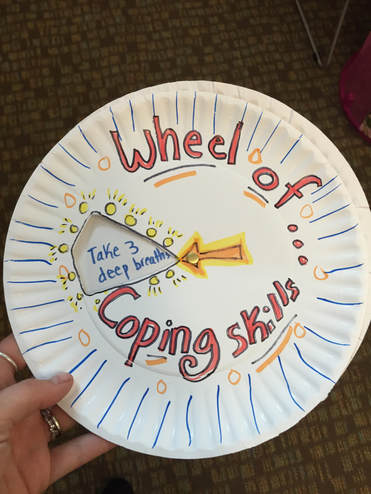
All of these strategies help relive stress and anxiety. These strategies also help students focus more and get their work done. 


*Take tests in a separate location, without a time limit.
*Shortened Assignments
*Provide class notes, rather having the student copy from the board
*Let the student leave the classroom 2-3 mins. early, to avoid the crowds in the hallway.
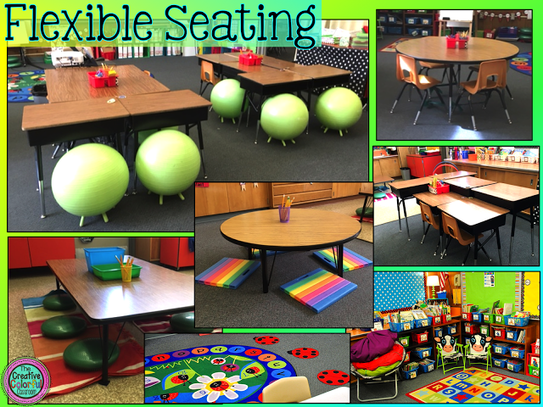
*Give the student choices on where to sit, and what they want to sit on. You can even allow the child to stand, when a teacher is giving instruction
​*Checklist, to make sure that the student is completing his or her work. 
*Allow students with Bipolar, to come in a little later to catch up on sleep.
*Extending Deadlines
*Designate a knowledgeable staff member who the child can go to if needed during the day
*Provide small groups 

​*Update and have communication with the parents
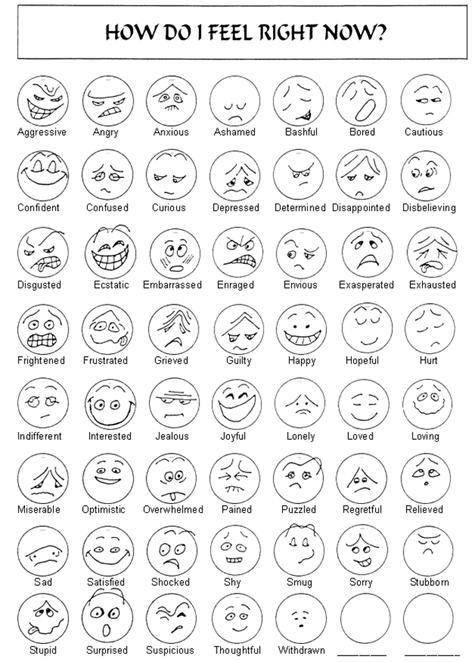
*Be a supportive listener, to the student who needs to express their feelings.
*Don't argue with defiant students, instead try to focus on calming them down.

​*When energy is high, increase demands
Picture
Picture
Picture
Picture

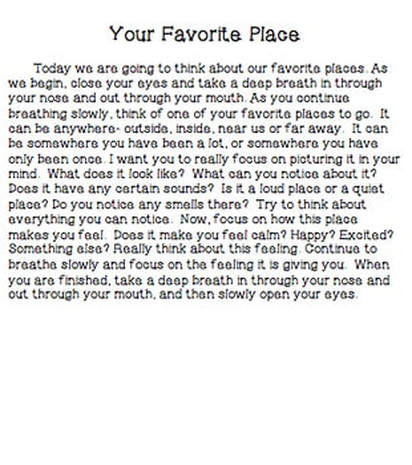
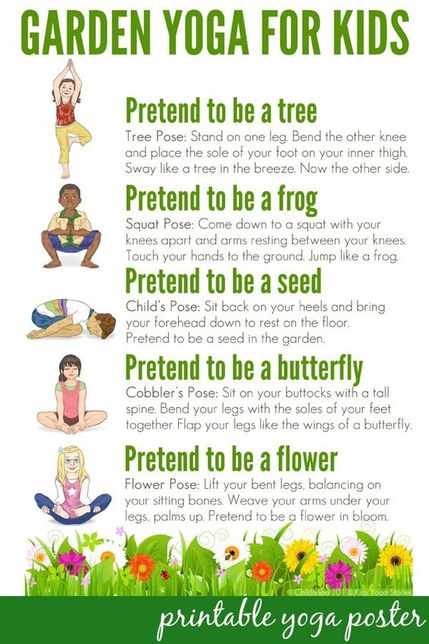
Yoga and Mindfulness Activities
Having yoga and mindfulness activities, helps teachers and students take a break from academics and focus on their mental health. These activities help students focus on themselves and calm their bodies.
​

Picture
Picture

Resources to Consider for Understanding Mental Health in the Classroom
Addressing mental Health Disorders in the Classroom
http://www.teachmag.com/archives/7220​
National Alliance on Mental Health
"
One in five youth live with a mental health condition, but less than half of these individuals receive needed services."
https://www.nami.org/Learn-More/Public-Policy/Mental-Health-in-Schools

MentalHealth.gov
"Educators are often the first to notice mental health issues" (mentalhealth.gov).
https://www.mentalhealth.gov/talk/educators/index.html

MindShift
"Trauma can be one cause of mental health issues among kids, but there are other sources."
​https://ww2.kqed.org/mindshift/2015/05/22/how-schools-can-help-nurture-students-mental-health/

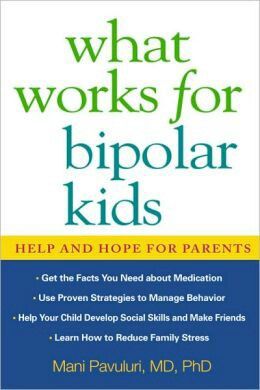
BPChildren.com
This is a great website that supports and educates children, parents and teachers specifically with Bipolar Disorder. 
http://www.bpchildren.com/webinar
​

Picture

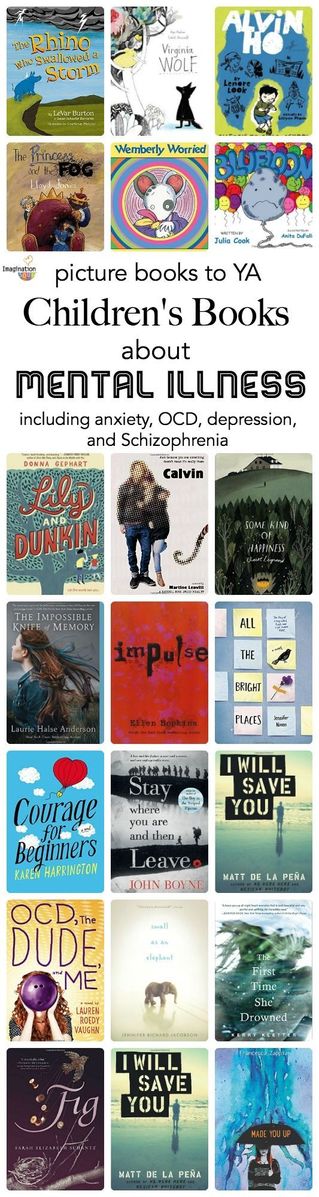
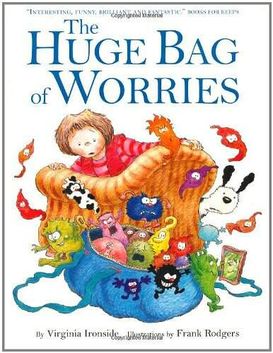
Books and Movies for the Classroom, to Help with Mental Health Issues
Picture
Picture
Picture
Proudly powered by Weebly