WHY IS SOCIAL AND EMOTIONAL LEARNING IMPORTANT? WHAT IS THE HEART-BRAIN CONNECTION?
Just as students need to learn how to read and write, they need to learn social and emotional skills like how to get along with each other, how to make friends and how to regulate their emotions. Since our educational system follows a model that separates emotions from cognition, it usually does not see the need to focus on emotional and social skills in school. Critics of this approach say that children deserve to feel happy and safe whether they are in or out of school, and that the way a student feels has a direct impact on their ability to learn. Any teacher, student or parent can give examples of how learning suffers when a child is worried or anxious or feels bad about their learning abilities.
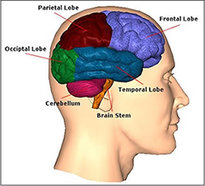
Now, however, due to new advances in brain imaging, neuroscientists are starting to be able to show how intricately connected cognition and emotion are in the brain. The research is also showing the “plasticity” of the brain, or the brain’s ability to change in response to training and experience. This type of concrete scientific evidence may provide more of an incentive for schools to adopt a social/emotional learning program if they are convinced that such a program can be counted on to improve educational outcomes. Additionally, as more research is carried out, findings may point to better techniques and strategies to help children both academically and emotionally.
Now, however, due to new advances in brain imaging, neuroscientists are starting to be able to show how intricately connected cognition and emotion are in the brain. The research is also showing the “plasticity” of the brain, or the brain’s ability to change in response to training and experience. This type of concrete scientific evidence may provide more of an incentive for schools to adopt a social/emotional learning program if they are convinced that such a program can be counted on to improve educational outcomes. Additionally, as more research is carried out, findings may point to better techniques and strategies to help children both academically and emotionally.
|
|

|
|
|
Talk by Professor Richard Davidson on "The Neuroscience of Social, Emotional and Academic Learning" |
|
|
|
|
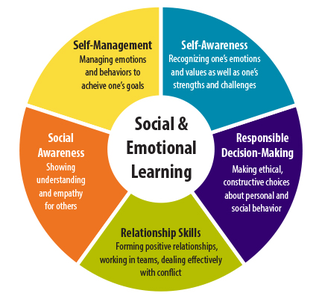
WHAT IS SOCIAL AND EMOTIONAL LEARNING?
|
|
CLASSROOM PROGRAM WEBSITES
THE RESPONSIVE CLASSROOM
Features of the Curriculum:
•Morning Meeting—gathering as a whole class each morning to greet one another, share news, and warm up for the day ahead
•Rule Creation—helping students create classroom rules that allow all class members to meet their learning goals
•Interactive Modeling—teaching children to notice and internalize expected behaviors through a unique modeling technique
•Positive Teacher Language—using words and tone to promote children’s active learning and self-discipline
•Logical Consequences—responding to misbehavior in a way that allows children to fix and learn from their mistakes while preserving their dignity
•Guided Discovery—introducing materials using a format that encourages creativity and responsibility
•Academic Choice—increasing student motivation by differentiating instruction and allowing students teacher-structured choices in their work
•Classroom Organization—setting up the physical room in ways that encourage independence, cooperation, and productivity
•Working with Families—hearing families’ insights and helping them understand the school’s teaching approaches
•Collaborative Problem Solving—using conferencing, role-playing, and other strategies to engage students in problem-solving
•Morning Meeting—gathering as a whole class each morning to greet one another, share news, and warm up for the day ahead
•Rule Creation—helping students create classroom rules that allow all class members to meet their learning goals
•Interactive Modeling—teaching children to notice and internalize expected behaviors through a unique modeling technique
•Positive Teacher Language—using words and tone to promote children’s active learning and self-discipline
•Logical Consequences—responding to misbehavior in a way that allows children to fix and learn from their mistakes while preserving their dignity
•Guided Discovery—introducing materials using a format that encourages creativity and responsibility
•Academic Choice—increasing student motivation by differentiating instruction and allowing students teacher-structured choices in their work
•Classroom Organization—setting up the physical room in ways that encourage independence, cooperation, and productivity
•Working with Families—hearing families’ insights and helping them understand the school’s teaching approaches
•Collaborative Problem Solving—using conferencing, role-playing, and other strategies to engage students in problem-solving
OPEN CIRCLE
- Unites schools with common vocabulary, strategies & expectations for student behavior
- Improves school safety, school climate & student and family engagement
- Increases students’ ability to listen, show empathy, calm down, cooperate, speak up & solve problems
- Reduces students’ peer exclusion, teasing, bullying & fighting
- Improves educators’ classroom management, dialogue facilitation & ability to address students’ social and emotional needs
- Strengthens educators’ SEL skills, trust & collaboration
- Buys back time for academics by proactively addressing behavior problems
SECOND STEP
Social-emotional skills—like math skills—build on each other. This universal, classroom-based program is designed to teach children how to understand and manage their emotions, control their reactions, be aware of others’ feelings, and have the skills to problem-solve and make responsible decisions.
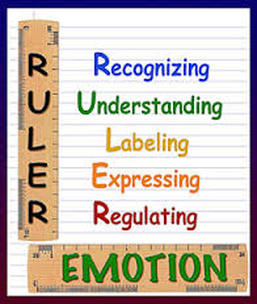
RULER
UNDERSTANDING OUR DIFFERENCES
Understanding Our Differences is a model, interactive disability awareness curriculum that teaches children to “see the person and not the disability.”
The curriculum covers Blindness and Low Vision, Deafness and Hard of Hearing, Autism, Physical Disabilities, Intellectual Disabilities, Learning Disabilities, and Chronic Medical Conditions such as Allergic Conditions, Asthma, Diabetes, and Epilepsy.
ME MOVES
MeMoves™ is an easy and innovative way to increase attention and calm in as little as two minutes – in the classroom, at home, anywhere – for people of all ages and abilities. A multimedia program that transforms the mind and body through interactive “body puzzles,” this patented system was designed to activate the parasympathetic nervous system, providing the user with an effective tool for self regulation in only a few minutes.
Each MeMoves™ sequence is a patented combination of music, movement and images, utilizing simple, geometric shapes. Organized into three categories; Joy, Focus and Calm, users select one of 13 video sequences and follow along (imitate) the actions on the screen.
ZONES OF REGULATION
The Zones is a systematic, cognitive behavior approach used to teach self-regulation by categorizing all the different ways we feel and states of alertness we experience into four concrete zones. The Zones curriculum provides strategies to teach students to become more aware of, and independent in controlling their emotions and impulses, managing their sensory needs, and improving their ability to problem solve conflicts.
By addressing underlying deficits in emotional and sensory regulation, executive functions, and social cognition, the curriculum is designed to help move students toward independent regulation. The Zones of Regulation incorporates Social Thinking® (www.socialthinking.com) concepts and numerous visuals to teach students to identify their feelings/level of alertness, understand how their behavior impacts those around them, and learn what tools they can use to manage their feelings and states.
SOCIAL THINKING
The Social Thinking framework addresses core areas of social functioning that include but are not limited to:
Social-emotional skills—like math skills—build on each other. This universal, classroom-based program is designed to teach children how to understand and manage their emotions, control their reactions, be aware of others’ feelings, and have the skills to problem-solve and make responsible decisions.
RULER
UNDERSTANDING OUR DIFFERENCES
Understanding Our Differences is a model, interactive disability awareness curriculum that teaches children to “see the person and not the disability.”
The curriculum covers Blindness and Low Vision, Deafness and Hard of Hearing, Autism, Physical Disabilities, Intellectual Disabilities, Learning Disabilities, and Chronic Medical Conditions such as Allergic Conditions, Asthma, Diabetes, and Epilepsy.
ME MOVES
MeMoves™ is an easy and innovative way to increase attention and calm in as little as two minutes – in the classroom, at home, anywhere – for people of all ages and abilities. A multimedia program that transforms the mind and body through interactive “body puzzles,” this patented system was designed to activate the parasympathetic nervous system, providing the user with an effective tool for self regulation in only a few minutes.
Each MeMoves™ sequence is a patented combination of music, movement and images, utilizing simple, geometric shapes. Organized into three categories; Joy, Focus and Calm, users select one of 13 video sequences and follow along (imitate) the actions on the screen.
ZONES OF REGULATION
The Zones is a systematic, cognitive behavior approach used to teach self-regulation by categorizing all the different ways we feel and states of alertness we experience into four concrete zones. The Zones curriculum provides strategies to teach students to become more aware of, and independent in controlling their emotions and impulses, managing their sensory needs, and improving their ability to problem solve conflicts.
By addressing underlying deficits in emotional and sensory regulation, executive functions, and social cognition, the curriculum is designed to help move students toward independent regulation. The Zones of Regulation incorporates Social Thinking® (www.socialthinking.com) concepts and numerous visuals to teach students to identify their feelings/level of alertness, understand how their behavior impacts those around them, and learn what tools they can use to manage their feelings and states.
SOCIAL THINKING
The Social Thinking framework addresses core areas of social functioning that include but are not limited to:
- Working and learning as part of a group
- Social self-regulation and social skills
- Strategies to interpret others’ social intentions and emotions
- Strategies to identify and assess how students function socially based on the level of their social mind
- Connecting the dots between our thoughts, feelings, and our mental health
- Strategies to encourage the growth of perspective taking and socially based executive function skills
- Assessment of social competencies in real-world, real-time social situations, as opposed to carefully manicured testing settings
- Demonstrating the link between social thinking, social skills, social academic interpretation and expression (written, oral, etc.)
- Teaching about the connection between the social mind and socially-based Common Core and State Standards of Education as well as how to encourage deeper learning related to the standards
- Teaching conflict resolution and social problem solving skills
- Teachings concepts and skills for relationship development
- Providing information to better understand transition to adulthood choices
- Providing strategies for adults in the workplace
|
RESEARCH

OTHER ARTICLES
SLIDE SHOW
|
RESOURCES
Websites Edutopia: Social and Emotional Learning Social and Emotional Learning Home Links Activities that parents can do with their children BOOKSCOMMUNITY BUILDING/SOCIAL ACTIVITIESCaring Learning Communities - classroom activities
Kid Activities - cooperative games
Team Building Games Playworks -Playworks creates a place for every kid on the playground to feel included, be active, and build valuable social and emotional skills. BLOGS Responsive Classroom Blog GAMES 
APPS

AFTER SCHOOL PROGRAMS
| ||||||||||
|
|