The Stigma Surrounding Special Needs in Latino Families

|
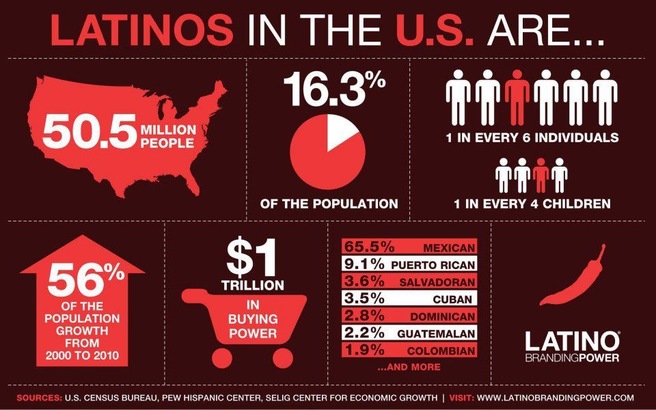
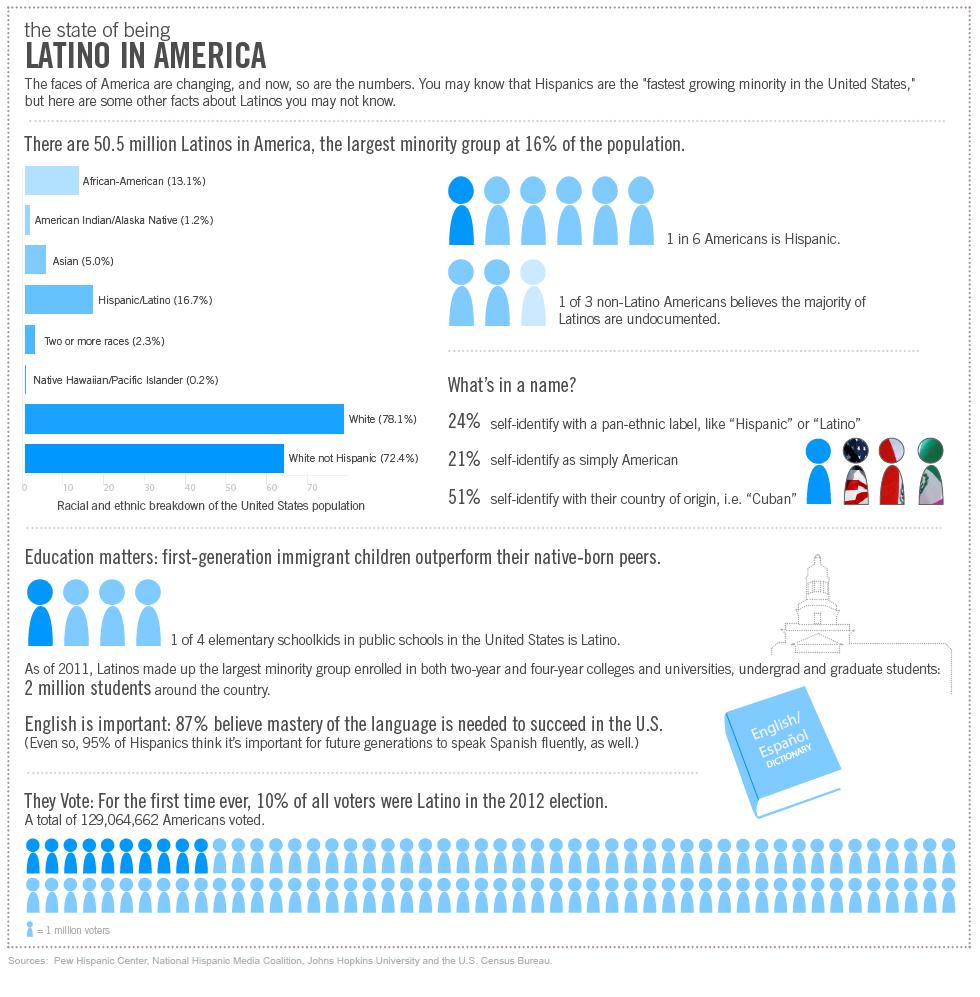
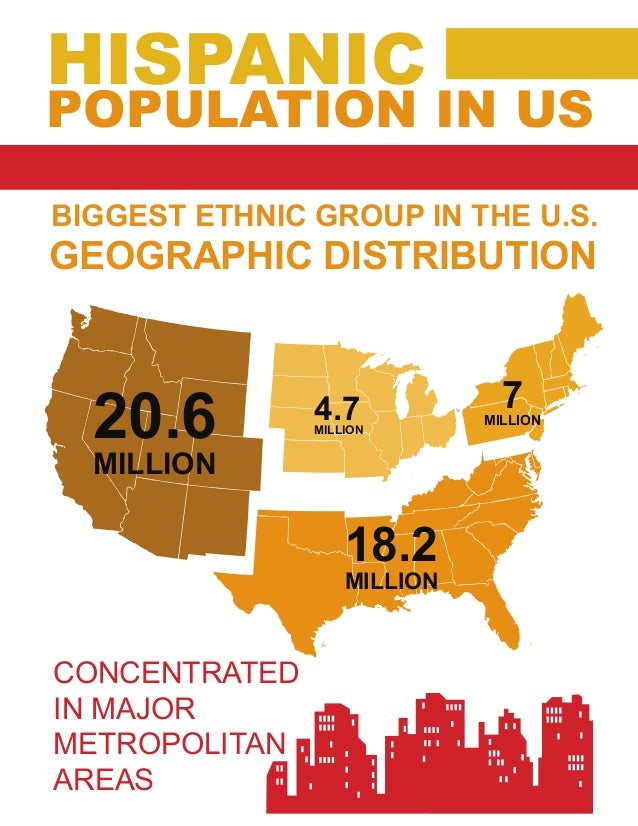
Although there is a growing population of Latinos (see Figure 1 to your left) in the United States, little research is available to educators surrounding the stigma that is placed on children labeled as "Special Needs". This lack of research indicates that educators should be sensitive around the issues regarding Latino families and special needs. Research that does explore this topic is often in the form of case studies and has gathered data from interviews to gain information. There are also organizations available for Latino families with children with disabilities. Please find those links in the resource section of this page. It is important to remember that Latino families, along at risk for being stigmatized for a child with special needs, are also at risk for being stigmatized for their identity as a Latino. Sensitivity along with providing adequate care and understanding are the most useful and powerful actions an educator who works with a Latino family can provide.
|
Resources:
UNICEF Guide's to Children with Disabilities : A useful guide to begin to explore the many facets of children with disabilities. This guide provides quick facts and statistics surrounding children with disabilities. This is also an important resource as there is a section that discusses how this is still a human rights issue and provides a plethora of resources at the end of the article to learn more.
Familias Latinas Unidas Por El Sindrome de Down (FLUPESD): This resource is for Latino families with child with Down Syndrome. It should be noted that this website is still under construction, but contact information is available and the focus of the program is to provide support for families and allow families to connect with each other.
Family Ties: A Directory of Resources for Families of Children and Youth with Special Needs : This resource for families, although not specifically for Latino families, is beneficial due to the valuable resources it holds. It also holds a section that is for Spanish and Portuguese families. This document pertains contact information for any question or specific support a family is seeking.
From The Voices of 16 Latino Families: A Study
Seven Hills Foundation: A helpful organization that has a website available in both Spanish and English that provides resources for families, including Early Chid care, support groups, and family support centers. "The mission of Seven Hills Foundation is to promote and encourage the empowerment of people with significant challenges so that each may pursue their highest possible degree of personal well-being and independence."
Stigma and Discrimination: Perspectives from Mexican and Puerto Rican Mothers of Children with Special Needs: In this study, 25 Mexican and 25 Puerto Rican single mothers from Florida and Arizona were interviewed about the discrimination and stigma they felt from society regarding their child with special needs. The study coded each interview and found an overwhelming amount of data to support that single mothers are often discriminated upon. The compounding factors of being both Latina and having a child with special needs resulted in the mother often being the one to receive discriminating comments (because the children in the study were all under the age of 6). It is interesting to note that these acts of discrimination were not only found in strangers, but in service professionals as well. This article is helpful to those working with this population to become aware of the compounding elements that Latina women may be facing.
A Latino Family living with a daughter on the Autism Spectrum: This news story discusses how alone and isolated one Latino family felt living in Framingham with a daughter on the spectrum. It is important to present such case studies as a resource to allow for understanding and to become aware that parents often feel this way. Although, they did attend support groups they were usually the only Latino family and often felt singled out and isolated. They did connect with their Latino community, but this family expresses their need for a supportive Latino Special Needs community.
UNICEF Guide's to Children with Disabilities : A useful guide to begin to explore the many facets of children with disabilities. This guide provides quick facts and statistics surrounding children with disabilities. This is also an important resource as there is a section that discusses how this is still a human rights issue and provides a plethora of resources at the end of the article to learn more.
Familias Latinas Unidas Por El Sindrome de Down (FLUPESD): This resource is for Latino families with child with Down Syndrome. It should be noted that this website is still under construction, but contact information is available and the focus of the program is to provide support for families and allow families to connect with each other.
Family Ties: A Directory of Resources for Families of Children and Youth with Special Needs : This resource for families, although not specifically for Latino families, is beneficial due to the valuable resources it holds. It also holds a section that is for Spanish and Portuguese families. This document pertains contact information for any question or specific support a family is seeking.
From The Voices of 16 Latino Families: A Study
Seven Hills Foundation: A helpful organization that has a website available in both Spanish and English that provides resources for families, including Early Chid care, support groups, and family support centers. "The mission of Seven Hills Foundation is to promote and encourage the empowerment of people with significant challenges so that each may pursue their highest possible degree of personal well-being and independence."
Stigma and Discrimination: Perspectives from Mexican and Puerto Rican Mothers of Children with Special Needs: In this study, 25 Mexican and 25 Puerto Rican single mothers from Florida and Arizona were interviewed about the discrimination and stigma they felt from society regarding their child with special needs. The study coded each interview and found an overwhelming amount of data to support that single mothers are often discriminated upon. The compounding factors of being both Latina and having a child with special needs resulted in the mother often being the one to receive discriminating comments (because the children in the study were all under the age of 6). It is interesting to note that these acts of discrimination were not only found in strangers, but in service professionals as well. This article is helpful to those working with this population to become aware of the compounding elements that Latina women may be facing.
A Latino Family living with a daughter on the Autism Spectrum: This news story discusses how alone and isolated one Latino family felt living in Framingham with a daughter on the spectrum. It is important to present such case studies as a resource to allow for understanding and to become aware that parents often feel this way. Although, they did attend support groups they were usually the only Latino family and often felt singled out and isolated. They did connect with their Latino community, but this family expresses their need for a supportive Latino Special Needs community.
|
|