Dysgraphia
dis/dys: impaired
graphia: making letter forms by hand
graphia: making letter forms by hand
What is Dysgraphia?
- "An impairment of written expression”
- Brain-based issue related to the physical act of writing through fine motor and language processing skills
- Effects 1 in 5 students
This is just a small overview. In the video below and in the "Indicators" section, a more thorough explanation of Dysgraphia is given and explained.
Indicators of Dysgraphia
Students with Dysgraphia often...
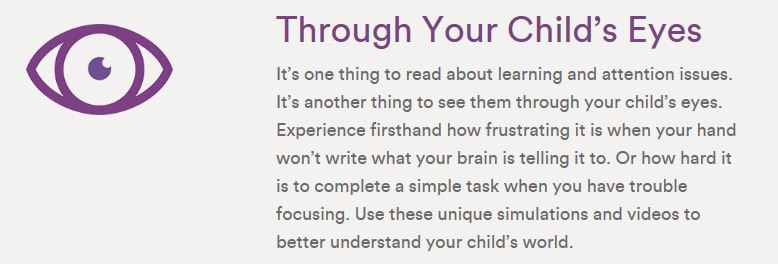
You may be wondering what it is like to have Dysgraphia. For a simulation, please click the image below.
- Cannot correctly hold their pencil
Sometimes students use all of their fingers, a fist, or even a pincer grip while writing. Looking at their pencil grip often 'looks painful' to adults and others who have mastered writing and pencil usage. - Have tense posture while writing
Some of the tense posture may come from the stress of the task, but it also relates to the connection with the brain. - Write slowly and make many letter formation errors
Writing is extremely difficult for these students, so they often write slowly but still make several mistakes. Some of the most common mistakes are:- Upper and lowercase intermixed
SenTenCeS mAY LooK LiKe ThiS - Irregular size and shape of letters
Sometimes just the size and shape are different, even in the same sentence - Unfinished letters
Students may forget to cross their t's, or put the circle on their p's
- Upper and lowercase intermixed
- Have difficulty expressing coherent thoughts in writing
Students with Dysgraphia often cannot fully explain their ideas. These students are very capable and competent while speaking, but in writing, there is a strong lack of description and details. When reading their work out loud, sometimes students will insert details into their writing, acknowledging that it should be more descriptive and thorough. - Cannot appropriately use or see lines and spaces
Often, teachers give larged lined paper for students struggling with writing. Students with Dysgraphia do not notice the lines and spaces on these papers, however, unless they are raised or highlighted. Sometimes, though, even when students see the lines, they are not adequately able to make use of them. - Write with redundant statements
Repetition of the same words and phrases is a common marking of a Dysgraphic's students work. Some people theorize that this might be because the student believes to have mastered writing that phrase, and wants to continue to produce words that they know. - Lack sentence structure and grammatical awareness
In speaking, students are on par with their peers. In writing, their sentences often come to an abrupt end, or ramble on forever. Punctuation is a difficult concept, as well as the grammatical structure of our language.
You may be wondering what it is like to have Dysgraphia. For a simulation, please click the image below.
Diagnosis
Dysgraphia is identified by licensed psychologists who specialize in learning disabilities. These specialists test children in academic and writing assessments once a disability is detected by a parent or student. These tests also measure fine motor skills and written expression production. During the assessments, the professionals watch the writing process and take that into consideration when judging the student's final product. Some things a specialist might watch are posture, position, pencil grip, fatigue, and whether there are signs of cramping. Additionally, the psychologist can determine the emotional and academic impact that Dysgraphia is having on a student.
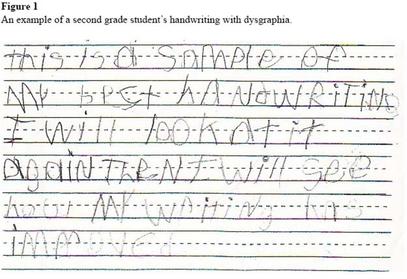
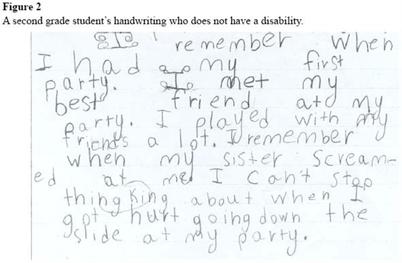
Student Work Samples
Why does it matter?
You may be thinking "Why does it matter if a child struggles to write? Writing is becoming obsolete in this era technological advancement" -- This is a valid point. To show the importance of handwriting, I have included this video.
Beyond the importance of handwriting, Dysgraphia can effect students in even more ways...
- Academics
Students with Dysgraphia often fall behind in schoolwork because writing takes much longer for them to accomplish. Taking notes is challenging, therefore retaining information is often more difficult. Often, the stress associated with writing makes students dread even fun tasks and subjects. - Social-emotional interactions
Feeling frustrated or anxious about academia can often perpetuate into daily life. Sometimes, parents and teachers do not recognize the signs of a student with Dysgraphia and believe the child is lazy or sloppy. This obviously can lower their self esteem, and make it harder to socialize with other children (particularly 'average' children). - Life skills
Since fine motor skills are often weak for these students, daily tasks become difficult. These students may struggle with buttons, zippers, shoelaces, velcro, and more.
Common Accommodations & Modifications in the Classroom
Some things that schools and teachers often provide to help students with Dysgraphia are as follows:
- Extra time
For some students, this would work best if they were permitted to begin an assignment early. For others, simply allowing an assignment to be completed as homework works best. Regardless of the approach, however, more time results in more thoughtful and finished work from a student with Dysgraphia. - Lettering stencils
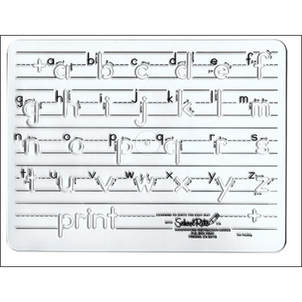
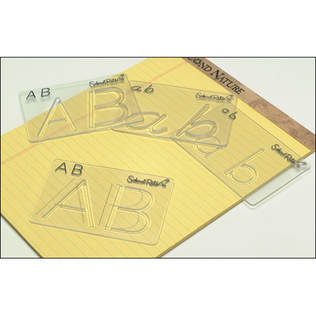
Lettering stencils are traceable stencils in simple forms of each letter. For students deeply struggling with writing, this is an excellent strategy, particularly if you are struggling to give a Dysgraphic student the necessary amount of attention to advance their writing skills.
|
|
- Word banks
Since students with Dysgraphia often struggle with writing words from memory, an appropriate modification is adding a word bank to their assignments. Even including extra words that are similar to the content words is okay if you feel like you are 'giving too much away' -- think of this as an accommodation for recognition, spelling, and writing help. - Typed copies of class notes
Dysgraphic students struggle with writing, which I have mentioned several times. When writing is such a stressful act, it is difficult to pay attention in class and also take notes for retention. As such, providing students with typed notes before each lesson is helpful. For those also struggling with attention, it may be helpful to leaev some fill-in-the-blank spaces in the notes. - Technology assistance
Today, there are several different websites and tools that work to hep Dysgraphic students in various ways. One of these sites is Rewordify, an internet extension that suggests more advanced vocabulary for basic texts. This works to build on ideas that Dysgraphic students may have in writing, and ultimately helps with their descriptive abilities. Another site is Screencastify, which allows students to record their screen while speaking. This could be played back later for transcription purposes, or submitted instead of a writing document for class assignments. Finally, perhaps the moved advanced technology support is Kurzweil 3000 which is an integrated literacy software that helps with note-taking, writing essays and responding to tests in a digital environment; thus improving speed, accuracy, organization and legibility for Dysgraphic students. - Graphic organizers
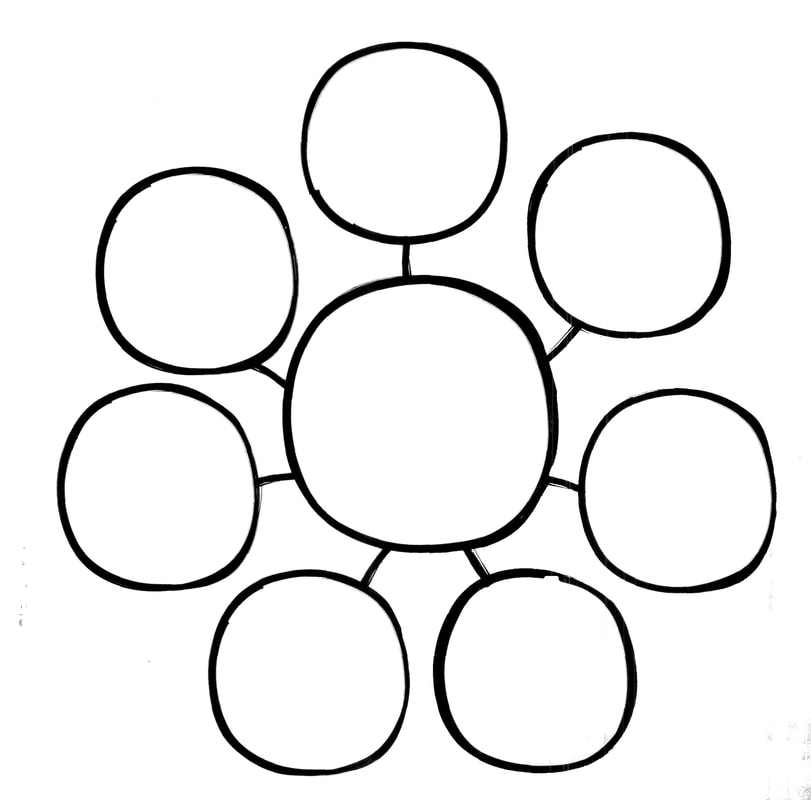
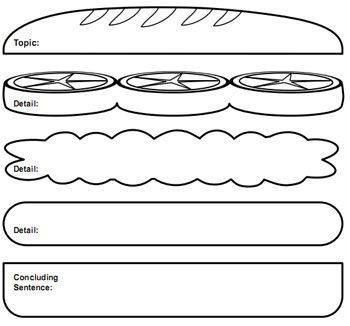
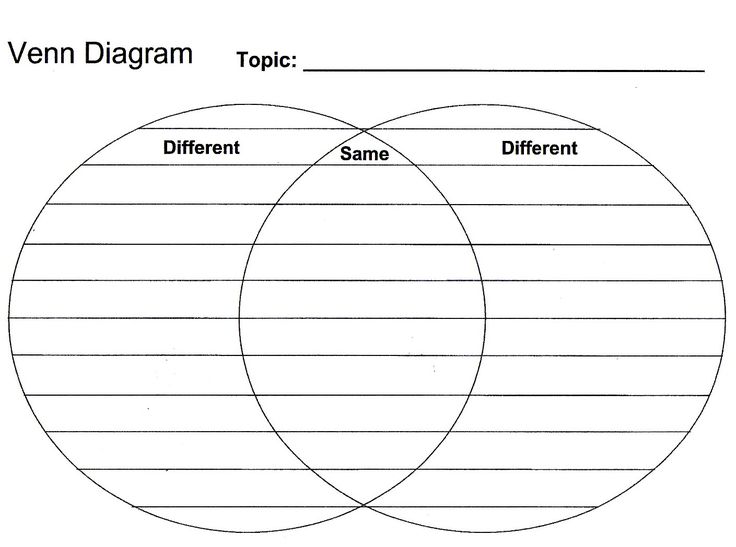
Often, the visual presentation of material is very important. When words are all aligned on a page, it is daunting. If the content is in a Venn Diagram or a Web, however, it may be easier to read and retain.
|
|
|
- Scribes
The best way to remove the stress surrounding writing assignments for Dysgraphic students is to allow scribes. Sometimes, this could be a teacher writing everything the student dictates. Others, a computer with a voice-to-text program might be more appropriate. - Comprehensive rubrics for review before beginning work
Unfortunately, grades are usually a surprise for these students. Since they often struggle with elaboration and details, it may not be very clear based on one set of instructions that an idea in a paper needs at least 3 supporting statements. If students are given a comprehensive rubric that specifically shows a good grade includes the 3 supporting statements, it is more likely that the student will include these details. The two sample rubrics below can be created at RubiStar, which offers suggestions for titles and leveled abilities. Click on one of the rubrics below to create your own.
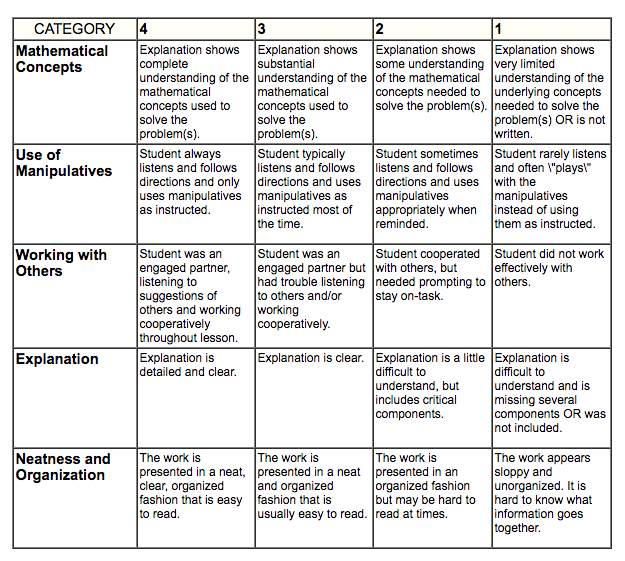
|
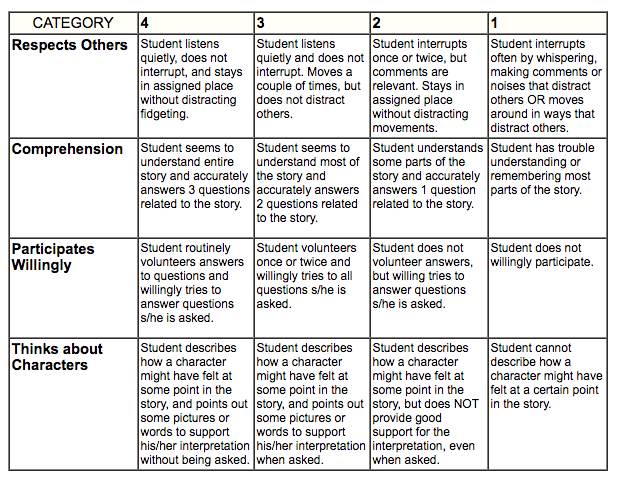
|
- Exemplar examples of finished assignments
Sometimes, assignments are very difficult. To help a student begin, it may be helpful to show some exemplar work from previous students, or work completed by the teacher as a model. This is particularly helpful in regards to length and details in an assignment. - Time with an Occupational Therapist
Dysgraphic students often struggle with fine motor skills. The best way to improve these skills for academic and daily life is to receive one-on-one attention from a licensed Occupational Therapist that can assign targeted tasks and give constructive feedback. Below, there are some pictures to show the ways OTs might work with students to increase fine and gross motor skills. Click on the photos to learn more.
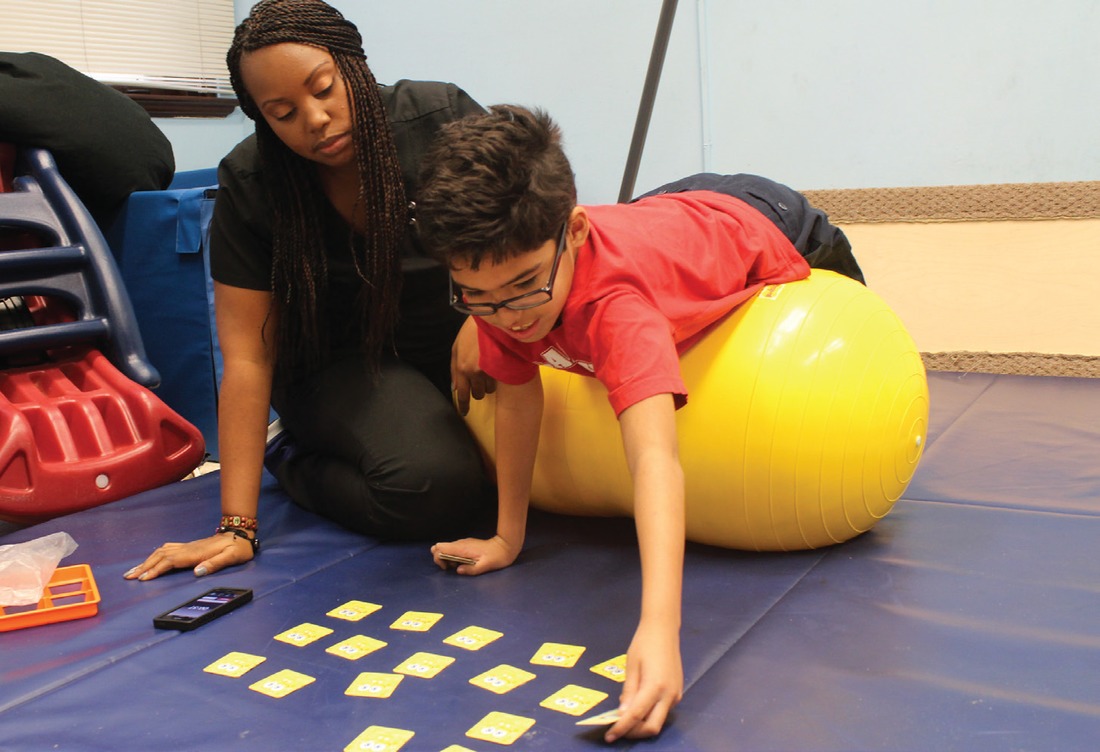
|
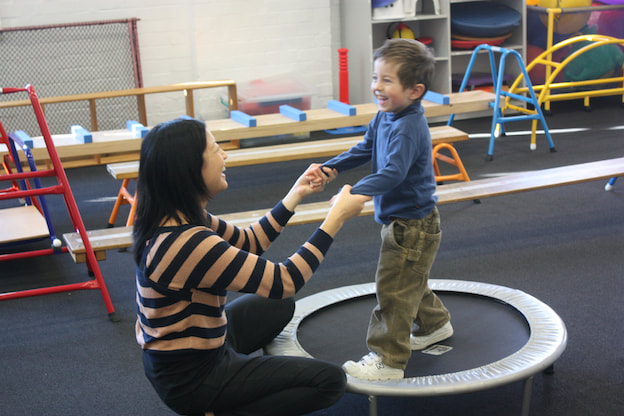
|
- Grading for content rather than conventions
All too often, Dysgraphic students put a lot of hard work into an assignment but receive a poor grade because of their 'sloppy' handwriting, spelling, and unaligned text. As teachers, we need to grade based on the appropriate content presented, rather than focusing on the conventions. - Different utensils
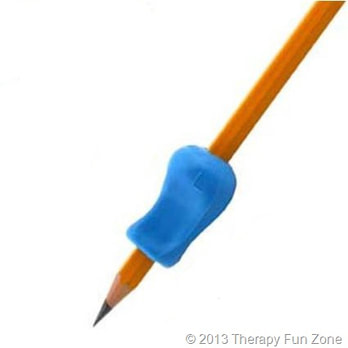
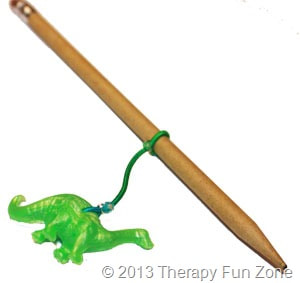
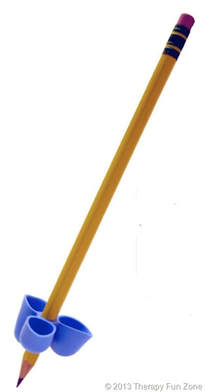
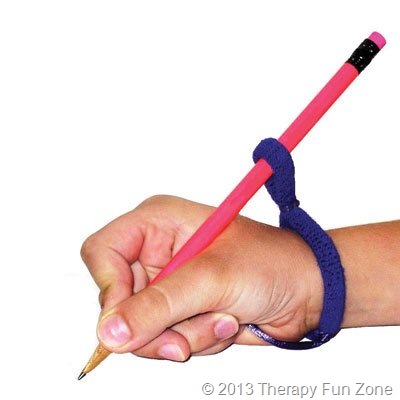
Typical pencils make writing even more difficult for students with Dysgraphia. As such, several modifications can be made so that these pencils are easier for students to use. Some examples are pictured below. To learn about the benefits of each specific modification, please click on the image. To purchase these pencil grips (or any additional OT-based tools for children, visit Therapro online or at their Framingham store).
|
|
|
|
Works Cited
Crouch, A., Jakubecy, J. (2007). Dysgraphia: How It Affects a Student's Performance and What Can Be Done about It. TEACHING Exceptional Children Plus. Vol. 3 (Issue 3).
Davis, R. D., & Braun, E. M. (2003). The gift of learning: proven new methods for correcting ADD, math & handwriting problems. New York: Berkley Pub. Group.
Donnelly, E., Koopmans, J., Kress, A., & MacGeary, W. (2017). Assessment For & Of Dyslexia and Dysgraphia. Retrieved July, 2017, from https://classroom-assessment-theory-into-practice.wikispaces.com/Assessment For %26 Of Dyslexia and Dysgraphia
Davis, R. D., & Braun, E. M. (2003). The gift of learning: proven new methods for correcting ADD, math & handwriting problems. New York: Berkley Pub. Group.
Donnelly, E., Koopmans, J., Kress, A., & MacGeary, W. (2017). Assessment For & Of Dyslexia and Dysgraphia. Retrieved July, 2017, from https://classroom-assessment-theory-into-practice.wikispaces.com/Assessment For %26 Of Dyslexia and Dysgraphia